
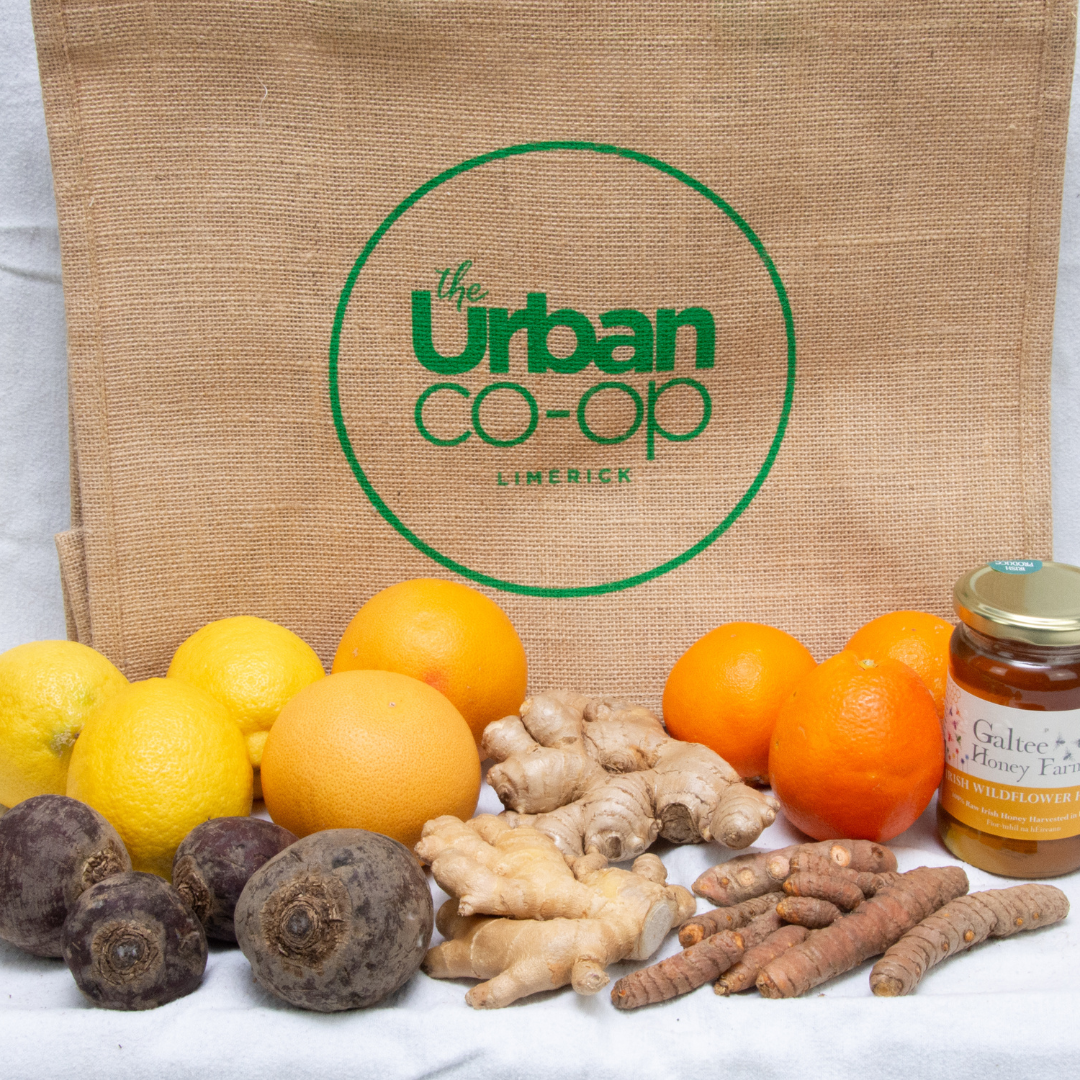
 OMG, I am so happy that you are now offering a food box delivery service, as I can't always make it into your wonderful shop. I decided to get the immunity box to help boost my immune system.
I feel on top form now, thank you all for this magnificent new service. This has allowed me to get my favourite foods, without having to travel far. Review by Charlotte Let us know which of our products are your favourites and why Email Geraldine bookings@theurbanco-op.ie
0 Comments
 Checking the contents of my fridge recently I discovered a few tubs of natural yogurt lurking in the back. When I checked the use-by date it was that day.
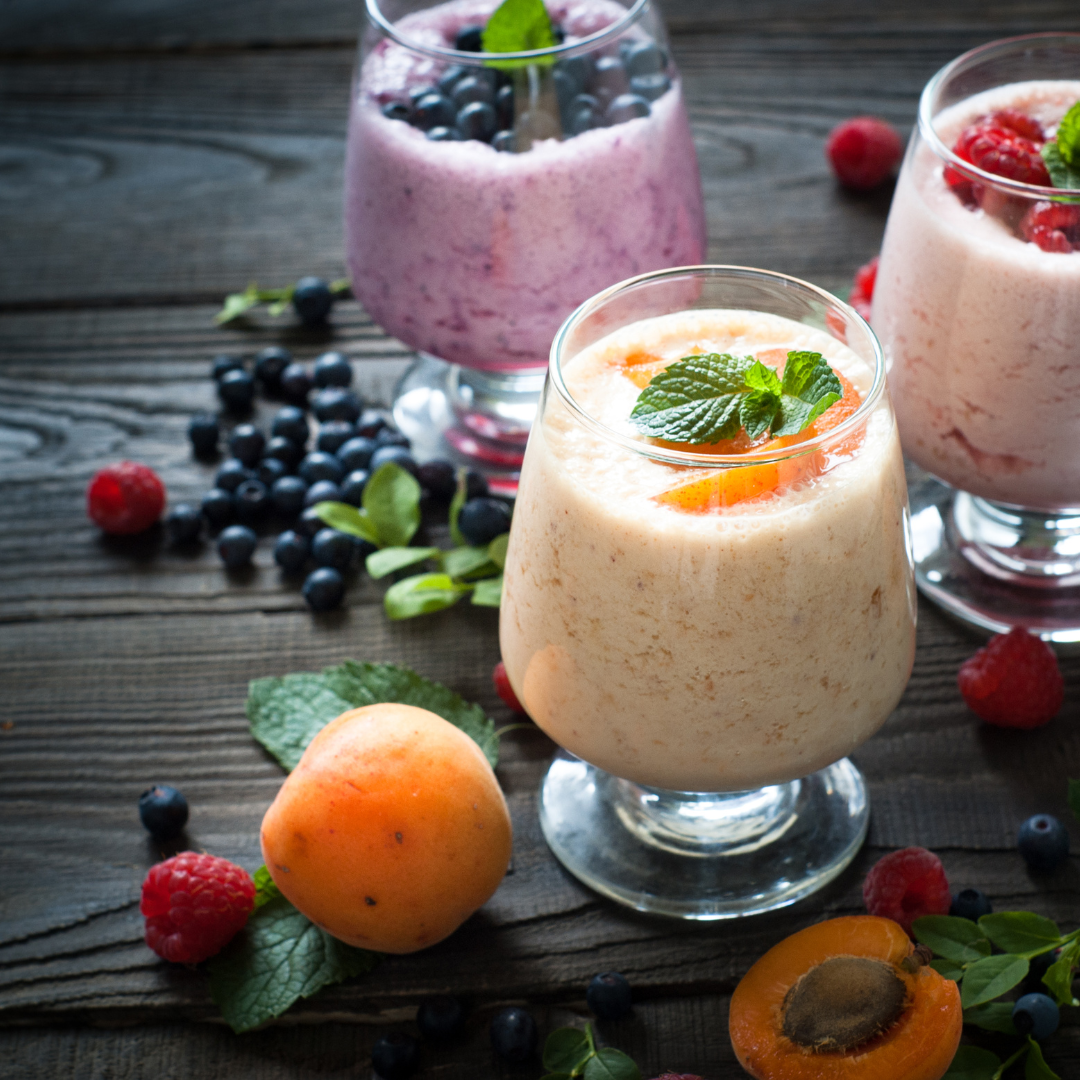
I knew I would not get a chance to use it them and was loathe to throw them out. So I decided to find out if I could freeze them. It turns out you can. I popped them, in their containers, into the freezer. A few weeks later I decided to cook a curry and needed, yes, you guessed correctly, natural yogurt! I defrosted it in the fridge overnight and gave it a good stir before adding it to my dish. Yes, the curry was delicious... Yogurt separates when thawed from frozen, so it must be stirred well before use. You could add it to smoothies, salad dressings, cakes, buns etc. I also learnt that you can freeze small batches in an ice-cube tray. Till next time… Geraldine Fitzpatrick 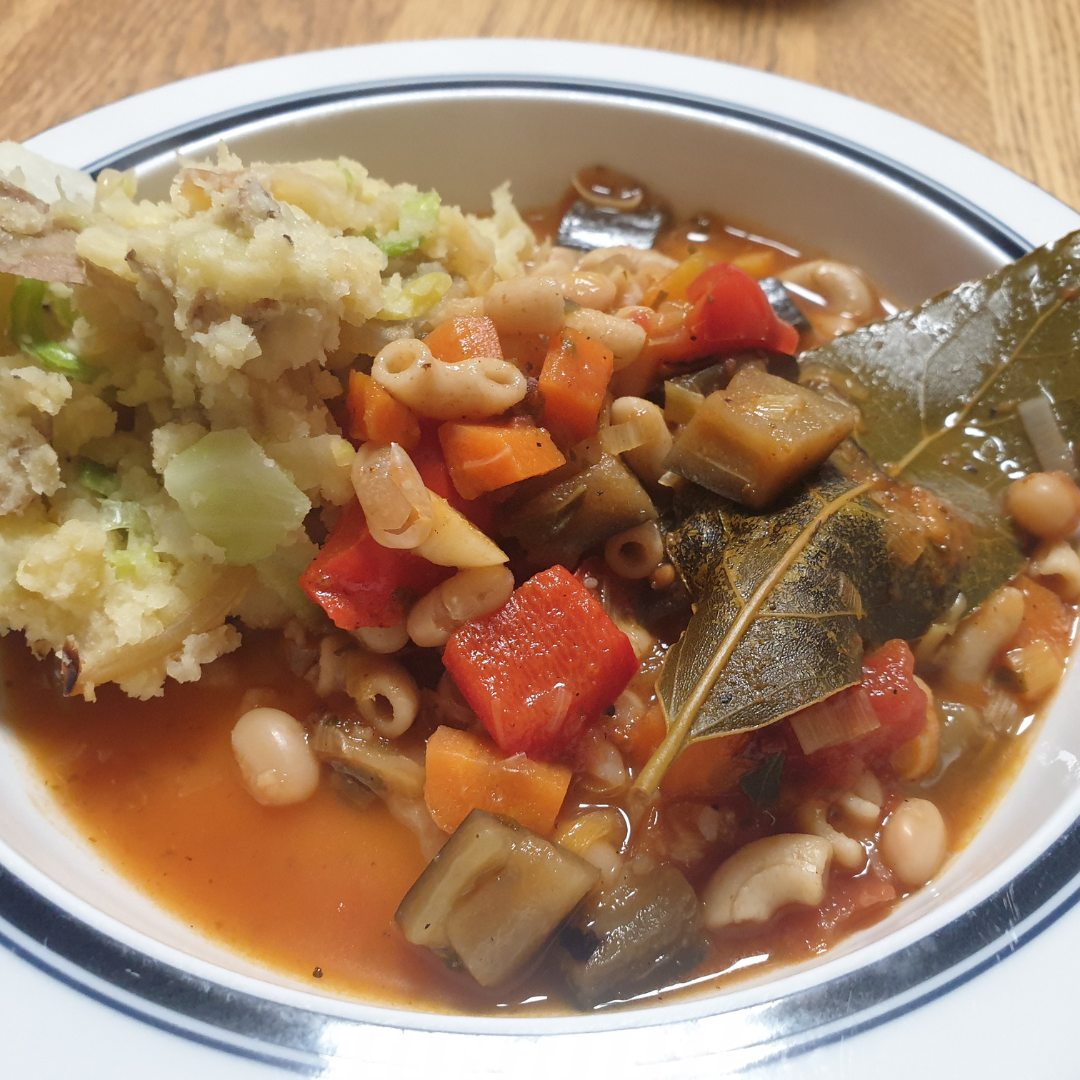  Multicultural Culinary Combinations
Ireland is a changed country. It is now made up of many new cultures, soon to be a wonderful melting pot, sorry about the pun. And these cultures bring their food and did you know that so many dishes are vegan? Happy Days! Minestrone, is a big bean, vegetable and pasta stew. A one pot dish that needs very little except perhaps some nice crispy bread. Though, we have grown to like bread, especially that sourdough stuff, a saucy stew in Ireland is often accompanied by mashed potato. So, the other day, as I started to prepare the minestrone the idea of culcannon came to mind. There was a bit of cabbage in the vegetable drawer, and we always have potatoes and onions on hand, so culcannon it would be. A lovely ‘marriage’ of two cultures. Recipe Makes enough for 4 good servings. INGREDIENTS for the Minestrone
METHOD
INGREDIENTS for the Culcannon
METHOD
Serve in a deep plate or shallow bowl, with a nice ladle of the minestrone and a good measure of the colcannon. I eat a little of the two with each spoonful. Bon appétit ! Jacques @HungrySoulVegan_ - Changing the Culture 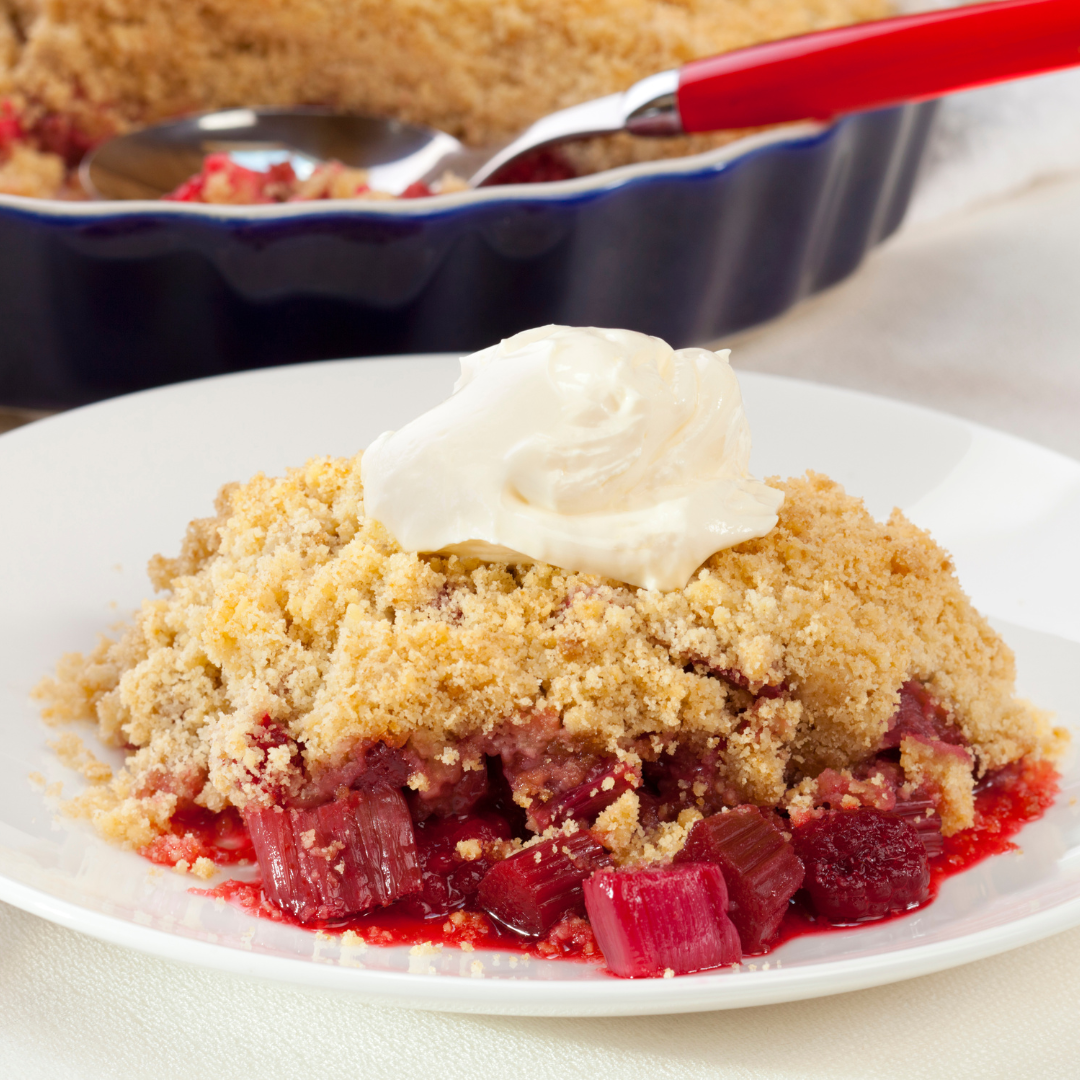 This is my go to dessert always for gatherings… you cannot go wrong. I like to change it up a bit with our ingredients here at The Urban Co-op. Here is my latest version. I really do not measure quantities so these are estimates. The crumble is quite sweet trust me!!
Ingredients & more
Method
Anne Maher  Brain Energy by Dr Christopher M. Palmer
I have enjoyed listening to Dr Palmer recently being interviewed about his book which is adding to the evidence that diet plays a critical role in brain health and cognitive function. Our mood and mental performance are affected directly by our dietary choices. What a surprise! Optimal brain function seems wishful thinking in our world of chronic ill health and mental health issues. Is it a case that our poor mental functioning in general has prevented us from making the link between diet and improvement of same? I find it surprising that this is news particularly in the medical world but to be fair I am seeing more lightbulb moments where diet is being given the acknowledgement it deserves and increasingly patients are being offered a dietary solution instead of a pill. This book is a very welcome addition not only for the quality of information but the genuine relatable human way Dr Chris brings it to us. Highly recommend! Anne Maher 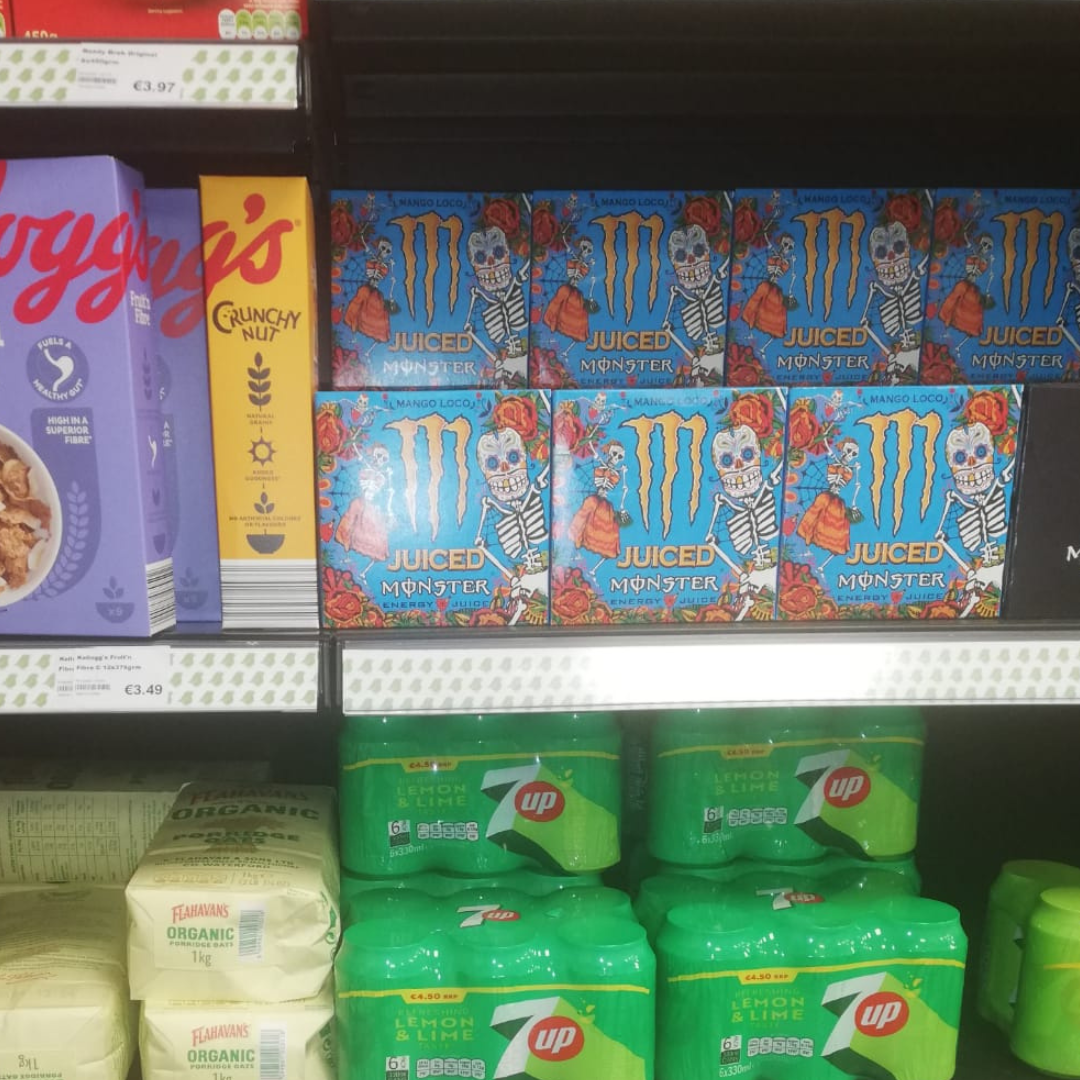 Whoever is involved in marketing Monster, they will be getting a rather large bonus I would say!
It is everywhere! A beverage of choice particularly for our teenagers I note the variety of colours and shelf space these products are taking up in the shops. Another ultra processed product displacing real food for us consumers. Clearly the profit is worth it. But at what cost to our health?? Considering up to 60% of our food choices is now ultra processed is it any wonder we struggle with health issues. I’m back at the graveyard for my thoughts on real food for living… what you say? Where is the relevance? Fascinating places to visit especially when you remember the individuals and families concerned. Sometimes their character comes through in how they are remembered. Nick names, previous names, ages, memorabilia all help to piece together the stories of their lives. More recently I note the headstones with the photos attached. A visual prompt to remember them as they were in happier healthier days. It did come as a surprise to find in recent days a memorial plaque to a recently deceased man featuring a large picture with a can of Diet Red Bull. Was this his beverage of choice I wondered? This icon sat among the family pictures smiling out at me. How far we have come with such ultra processed foods that they take pride of place at this time. Maybe it did just what it said it would.. it gave him wings… Anne Maher  Don’t you just love the 80/20 rule! It lets us off the hook somewhat especially when it comes to diet. Eat well 80% of the time and the other 20% we can fall off the wagon so to speak. I wonder is it that simple? The Pareto Principle suggests that 20% of effort yields 80% of results and thus the need to prioritise carefully with tasks and productivity. Not to be too confusing then if we consume a diet with 20% realfood would this mean that we are 80% there in terms of outcome… ie…better health. It would seem to be a fair deal to be honest!
In any case to give ourselves a headstart it really does help to be immersed in an environment that supports our efforts. Monitoring the growth of ultra processed products in the supermarkets (taking up the shelf space!) it is more and more difficult to be able to find the real stuff. Our consumption patterns are showing that we are heading past 50% ultra processed foods. Increasing evidence shows that our health problems are strongly linked with the consumption of upfs. Addictive and prolific its so hard to avoid them. Getting to a check out in a supermarket is an exercise in will power… Here at The Urban Co-op we actively adhere to the 80/20 rule. Less than 20% is UPF ( specially selected with the minimal amount of ingredients.) We want to give ourselves a fighting chance to stay as well as possible. This is not about will power, it is about changing our environment to support us along the way. Anne Maher 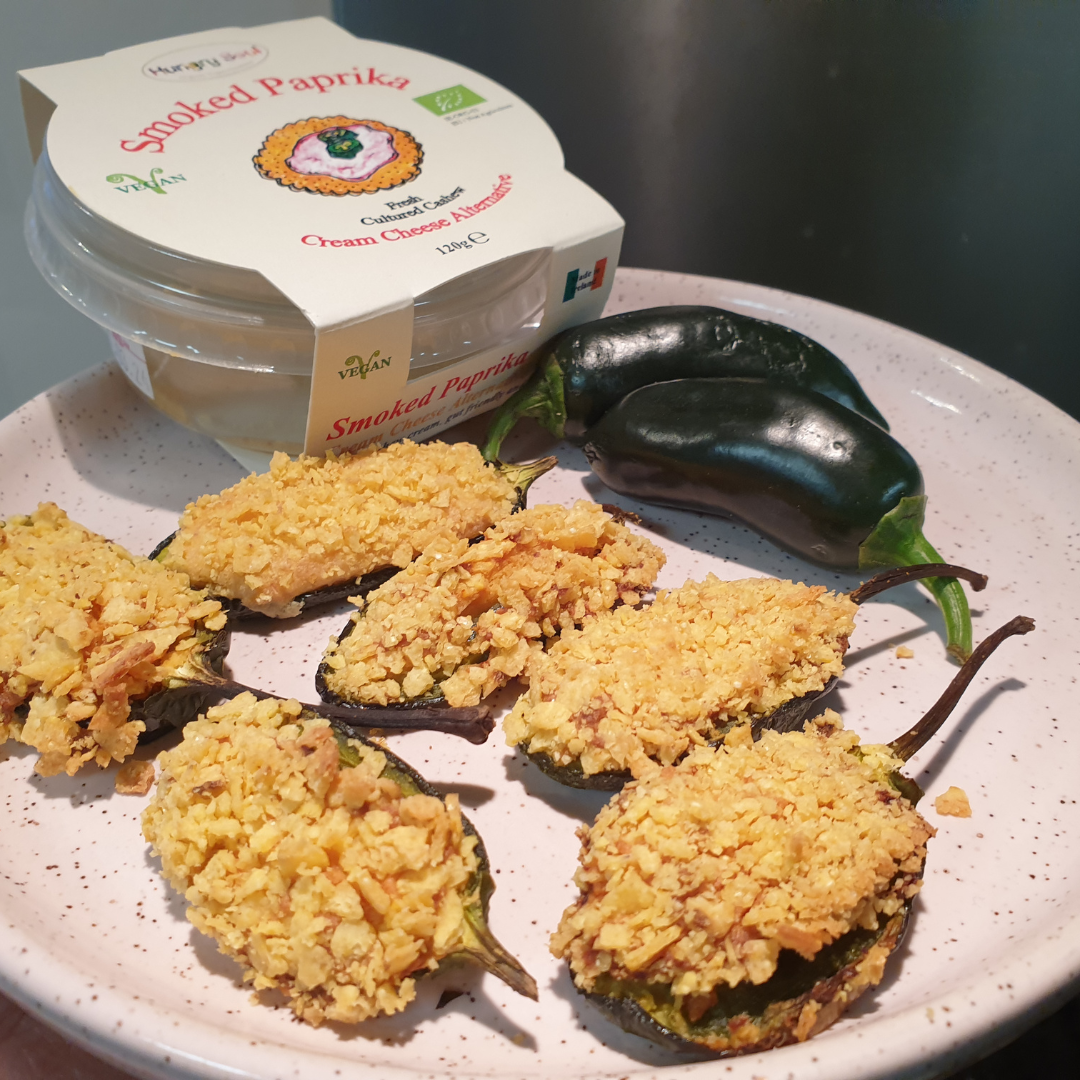 Something very quick and yummy.
A perfect appetizer for as party. The Jalapeño peppers can be quite hot, but once you remove the seeds and they are cooked, they are actually mild and very flavoursome. Make these is 5 minutes and another 10 in the oven and they are ready. The only issue is you can never make enough of them 😉 INGREDIENTS
INSTRUCTIONS
Homemade sour cream: 100 ml of vegan pouring cream, 1 to 2 tbsp of Natural Hungry Soul cream cheese, juice of half a lemon, chopped fresh chives. Bon appétit Jacques |
Categories
All
Archives
March 2024
AuthorsRecipes from Katie Verling & Jacques |
 RSS Feed